
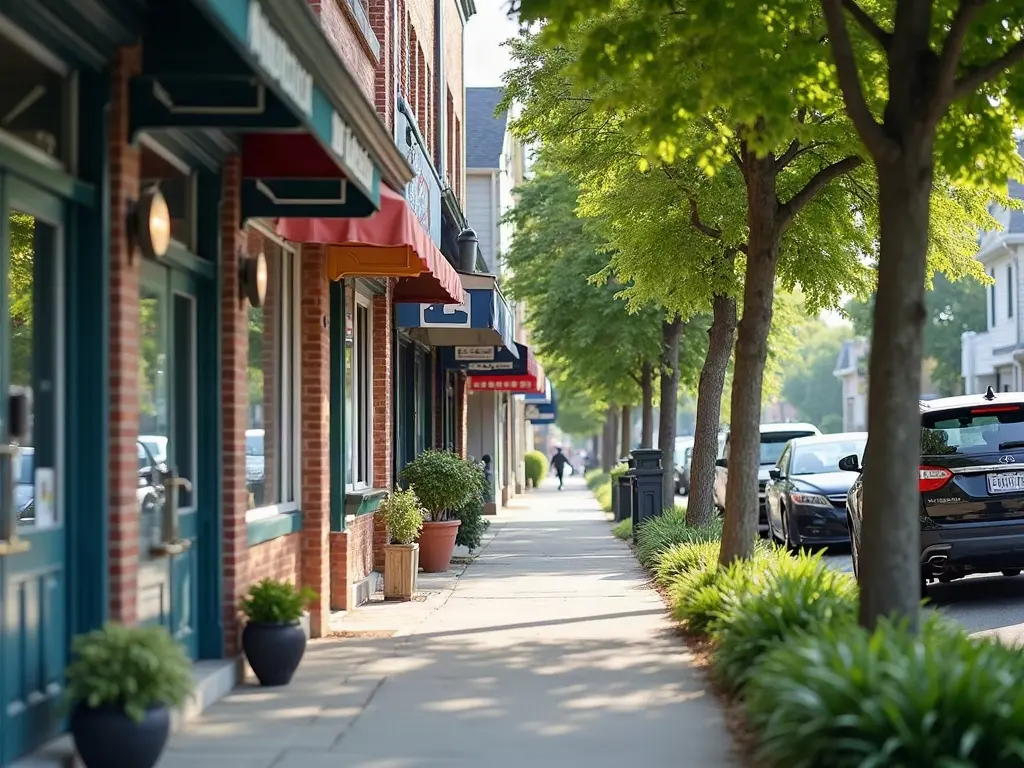
To turn pressure washing customers into yearly customers, offer the next visit before you leave the first one. Show the cleaned surfaces, name the season they will need cleaning again, and hand over a written yearly scope with a price next to the single-job price. A yearly customer buys scheduled exterior maintenance for a defined set of surfaces, not a discount or an unlimited washing subscription.
Most homeowners forget about their siding until the green shows up on the north wall again. The pro who already has the next date on the calendar never has to wait for that phone call.
What makes a pressure washing customer worth keeping on a yearly plan?
A pressure washing customer is worth keeping when the customer pays on time, the property gets dirty on a predictable schedule, and the address sits close to your other stops. Shaded lots, north-facing vinyl, concrete under trees, and homes near lakes or dirt roads come back dirty every year. Those properties need you again whether the owner remembers or not.
On the first job, watch for three signs:
- Recurring buildup. Mildew, algae, or tree drip that will return by next spring.
- More surfaces than the customer booked. A customer who asked only for the driveway often has a dirty walkway, patio, and fence too.
- An easy customer. Water spigot ready, gate unlocked, no argument about the price.
A customer who haggled hard, lives 40 minutes off your route, and wants the job done for less every time is a fine one-time job. That customer is a poor yearly plan.
How do I turn pressure washing customers into yearly customers before I leave the job?
Ask in the last ten minutes of the job, while the customer can still see the difference. A clean house next to a dirty neighbor's house makes the case for you. A follow-up text three weeks later, after the customer has stopped looking, rarely does.
A simple first-year routine:
- Photograph each cleaned surface before you pack up.
- Walk the customer around and name what you cleaned and what you saw: "Mildew on the back wall will be back by April."
- Offer the next visit for a named month or season, not "sometime next year."
- Send a written scope and price the same day.
- Put the date or month on your calendar once the customer says yes.
- Send a reminder a week or two before the visit.
- Finish each visit with photos, and ask for the following year on the spot.
Once the routine becomes a habit, a yearly plan stops feeling like a sales pitch and starts feeling like the normal next step.
How do I offer a full service plan beside a single job?
Put two prices on one page: the job the customer asked for, and a yearly plan that covers the same surfaces plus the ones that will need cleaning next. A customer who sees two of your prices tends to choose between them. A customer who sees one price tends to compare it with somebody else's. For more on why that matters, see why customers negotiate your price.
The yearly side needs a written scope, because surface, size, stories, buildup, access, and cleaning method all change the price. List each of these:
- Surfaces: house siding, driveway, walkways, patio, fence, gutters (outside faces), roof
- Number of stories
- Access limits: steep grades, landscaping, gates, pets
- Method: pressure washing, soft washing, or chemical treatment
- Month or season for each surface
Call the plan scheduled exterior maintenance. "Unlimited washing" invites a customer to call you every time a bird flies over the patio.
How should I price a yearly pressure washing plan?
Price a yearly plan from the actual scope, surface by surface, and show any discount as a separate line. A blanket "15% off everything" hides what the customer is paying for and costs you on the big surfaces. A small loyalty credit shown on its own line keeps the plan honest.
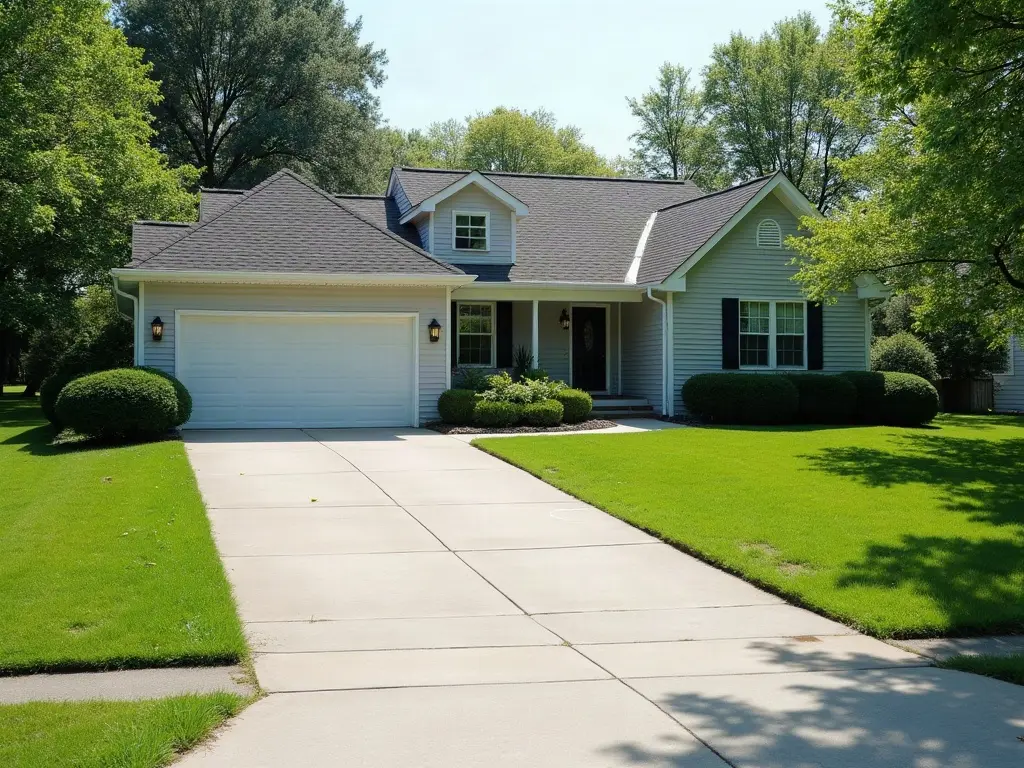
Price soft washing separately, and avoid calling every job pressure washing. Published 2025 pricing from HomeFixx lists roof soft washing at $350–$750, separate from ordinary pressure washing. The same page puts a whole-property package covering a house, driveway, walkway, and patio at $500–$1,200. That range supports selling a defined property package instead of discounting every surface.
Worked example: a two-story house on a yearly plan
Here is a two-story vinyl house with a shaded driveway and a back patio. The prices below are examples only, not a market rate. Use your own prices.
- Spring: house soft wash, $375
- Spring: patio, $125
- Fall: driveway and walkway, $225
The plan totals $725 a year. A $25 loyalty credit shown on its own line brings the plan to $700, or about $58.33 a month if the customer pays monthly. The single-job price for the house wash stays at $375 on the same page.
If the customer stays four years, the plan brings in $2,800 from one address, with two visits a year you can schedule on days you are already working that street. Compare that with one $375 job and no idea whether the customer will call again.
| Single job | Yearly plan | |
|---|---|---|
| Surfaces | House only | House, patio, drive |
| Visits | 1 | 2 a year |
| Example price | $375 | $700/yr |
| Next visit | Unknown | Scheduled |
| Route | Wherever | Planned |
How do I find customers who want full service?
Full-service customers usually care more about how the property looks than about the lowest price. Commercial buyers say so outright: in the 2025 BSCAI market study, commercial cleaning buyers ranked a clean appearance as the second-most important value, behind a healthy and sanitary environment. Sell the look and the schedule, not the hourly rate.
The same study reported that 79% of surveyed commercial cleaning companies offer exterior pressure washing. Property managers already expect exterior washing on a schedule, so a clear yearly scope fits the way those buyers already shop.
On the residential side, look for owners who already pay for recurring outdoor work: lawn service, pest control, pool care. Neighbors of a finished job see the result, and a dirty house next to a clean one is an easy conversation.
How do I measure whether yearly plans are working?
Measure the plan sign-up rate each season with this formula:
Plan sign-up rate = one-time customers who signed a yearly plan ÷ one-time customers served × 100
Example: 60 one-time jobs last spring, and 15 of those customers signed a plan. 15 ÷ 60 × 100 = 25%. Track renewals the same way a year later: plan customers who renewed ÷ plan customers due to renew × 100.
Keep plan customers and one-time customers separate in your customer list, and record the last service date for each. A notebook works for a couple dozen customers. Past that, the last service dates start slipping.